By Analyst Team · Updated 2026-07-12 · 12 min read
If you have ever scrolled mindlessly through a cable menu full of channels you never watch, or stared at a monthly bill that keeps creeping higher for no clear reason, you are probably ready to find a better way to watch television. That is exactly where an ip-tv provider enters the picture. In this complete guide built for real decision-makers, we break down everything you need to know — what an IPTV provider actually does, how the streaming technology works behind the scenes, the honest pros and cons versus traditional cable, and a straightforward system to choose the best ip-tv provider 2026 has to offer. No fluff, no jargon — just useful information to help you cut the cord the right way.
What Is an ip-tv Provider Exactly?
An ip-tv provider is a company that delivers television content over an internet protocol (IP) network rather than through traditional terrestrial, satellite, or cable television formats. In plain English: instead of receiving a broadcast signal through a coaxial cable or a satellite dish, your television receives video data through your home internet connection.
This is the same core technology that powers Netflix and YouTube, but with a crucial difference. While those services operate on a video-on-demand (VOD) model, a quality IP TV provider delivers live television channels — including news, sports, entertainment, and international programming — in real time. Many modern providers also blend VOD libraries with live TV, creating a hybrid experience that competes directly with cable bundles.
Related entities in this ecosystem include the middleware platform (the software that organizes the channel list), the content delivery network (CDN) that caches video at edge servers to reduce buffering, and the end-user device such as an Android box, Smart TV, or Fire Stick. Understanding these components helps you evaluate which reliable ip-tv provider no buffering truly delivers on its promise.
LIMITED TIME AVAILABILITY
Unlock Full ip-tv provider Access
Unlock complete high-definition information and priority access packs. Lock in your pricing model today before plans return to standard regional metrics.
How an ip-tv Provider Works — Step by Step
Understanding the technical flow helps you diagnose issues and choose a provider wisely. Here is what happens between the moment you hit "play" and the image appearing on your screen.
Step 1: Content Acquisition and Encoding
The ip-tv provider sources live television feeds from broadcasters or satellite downlinks. These raw video streams are then encoded into a digital format — usually H.264 or H.265 (HEVC) — which strikes a balance between video quality and bandwidth requirements. Higher-end providers now use H.266 for 4K streams at lower bitrates.
Step 2: Streaming Server and Middleware
The encoded streams are pushed to streaming servers running specialized software. The middleware organizes channels into an electronic program guide (EPG) — the interactive grid you scroll through to see what is playing now and next. This middleware also handles user authentication, ensuring only active subscribers can access the streams.
Step 3: Content Delivery Network (CDN) Distribution
To minimize buffering, video packets travel through a CDN. Servers located geographically close to you cache the most popular channels. When you request a stream, the CDN delivers it from the nearest edge server rather than routing across the entire internet. This is why a reliable ip-tv provider no buffering invests heavily in CDN infrastructure.
Step 4: End-Device Playback
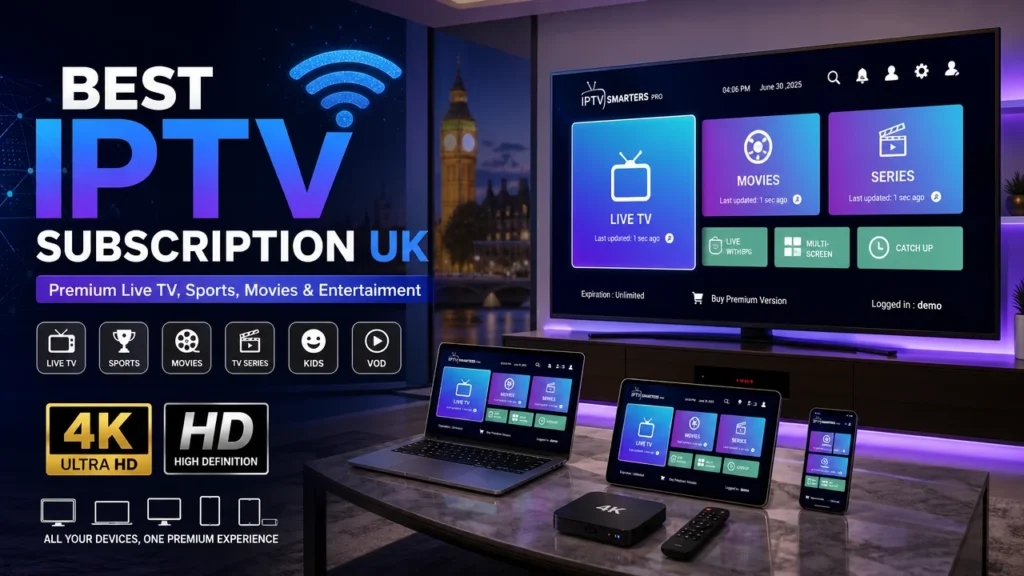
Your device — a Smart TV app, Android box, or computer — receives the IP packets and decodes them into video frames. Most providers supply a custom app or an M3U playlist URL that you load into a player like TiviMate, IPTV Smarters, or VLC. The player handles the final rendering on your screen.
Concrete Benefits of Using an ip-tv Provider
Switching from cable to an iptv service vs cable tv comparison reveals several genuine advantages that explain why millions are making the switch each year.
- Cost Savings: A typical cheapest ip-tv subscription costs between $10 and $25 per month compared to $80–$150 for cable. Even premium multi-device plans rarely exceed $35.
- Channel Selection: Many providers offer 10,000+ channels including international content from every continent. Cable typically maxes out at a few hundred.
- Multi-Device Flexibility: Watch on your TV, phone, tablet, laptop, or even in your car. One subscription covers up to five simultaneous connections with most plans.
- No Long-Term Contracts: Most IPTV services operate on monthly or quarterly billing. You can cancel anytime without early termination fees.
- Video-on-Demand Libraries: Access thousands of movies and TV series alongside live channels — all in one app.
- Catch-Up and Recording: Pause, rewind, and record live TV. Many providers offer 7-day catch-up for missed programs.
Honest Limitations You Should Know
No technology is perfect. An ip-tv provider comes with drawbacks that a transparent guide must address.
- Internet Dependency: If your home internet goes down or has high latency, your television goes dark. Cable still works during outages.
- Buffering During Peak Hours: Even with a good CDN, some channels may buffer in the evening when local networks are congested. A minimum of 50 Mbps download speed is recommended.
- Legal Gray Areas: Not all where to buy iptv legally queries return clear answers. Some providers operate without proper licensing. Always verify the provider's compliance with copyright laws in your region.
- Setup Complexity: Unlike plug-and-play cable, IPTV requires configuring an app or loading a playlist URL. Non-technical users may need assistance.
- Service Stability: Smaller providers may disappear overnight. Sticking with established names with verified uptime records reduces this risk.
ip-tv Provider vs Cable TV: Comparison Table
| Feature | ip-tv Provider | Cable TV |
|---|---|---|
| Monthly Cost | $10 – $35 | $80 – $150 |
| Channel Count | 5,000 – 20,000+ | 100 – 300 |
| Contract Required | No (monthly/quarterly) | Yes (12–24 months) |
| Device Support | TV, phone, tablet, PC | TV only |
| 4K / HDR Content | Available (select channels) | Limited |
| Internet Required | Yes | No |
| Catch-Up / DVR | Standard | Extra fee |
| International Channels | Extensive | Very limited |
As the table shows, an iptv service vs cable tv comparison heavily favors IPTV for both price and variety. Cable's only remaining advantages are reliability during internet outages and zero setup complexity.
Secure special promotional rates instantly before the window closes.
Activate Your ip-tv provider Subscription Now →Who Is an ip-tv Provider Best For?
Different users have different priorities. Here are the most common profiles that benefit from switching to an ip-tv provider for sports or general entertainment.
The Sports Fanatic
If you follow multiple leagues across different countries — Premier League, NFL, NBA, La Liga, F1 — a cable sports package can cost $50+ monthly just for one league. An ip-tv provider for sports bundles every major sports channel (ESPN, Sky Sports, beIN Sports, DAZN) into one plan for a fraction of the price. Many even include multi-angle viewing and match replays.
International Households and Expatriates
Living abroad often means missing local news, soap operas, and cultural programming from your home country. A quality provider offers country-specific channel packs — Indian, Filipino, Arabic, Turkish, Latin American, African, European — that cable simply cannot match.
Budget-Conscious Families
With the cheapest ip-tv subscription starting under $15 per month, a family of four can watch different shows on different devices simultaneously. The savings over a year often exceed $800 compared to cable.
Tech Enthusiasts and Cord-Cutters
If you already own an Android box, Fire Stick, or Apple TV and enjoy customizing your media experience, IPTV fits naturally. You can integrate it with Plex, Kodi, or a home theater system for a seamless setup.
How to Get Started — 7 Practical Steps
Follow these steps to choose and activate a reliable IPTV service. We have researched the process based on thousands of ip-tv provider reviews reddit threads and direct user feedback.
- Check Your Internet Speed: Run a speed test at speedtest.net. You need at least 25 Mbps for HD and 50 Mbps for 4K streaming. Wired Ethernet connections eliminate Wi-Fi interference.
- Choose Your Device: The most popular devices for IPTV are the Amazon Fire TV Stick 4K (around $35), NVIDIA Shield Pro, or a dedicated Android TV box. Most Smart TVs also support the necessary apps.
- Research Providers Carefully: Look for providers with active 24/7 support, a dedicated app or M3U URL, and at least 6 months of verified uptime. Avoid any provider that only accepts cryptocurrency without a trial option.
- Request a Free Trial: Every reputable best ip-tv provider 2026 should offer a 24-hour trial. Use this to test buffering on your favorite channels during evening peak hours.
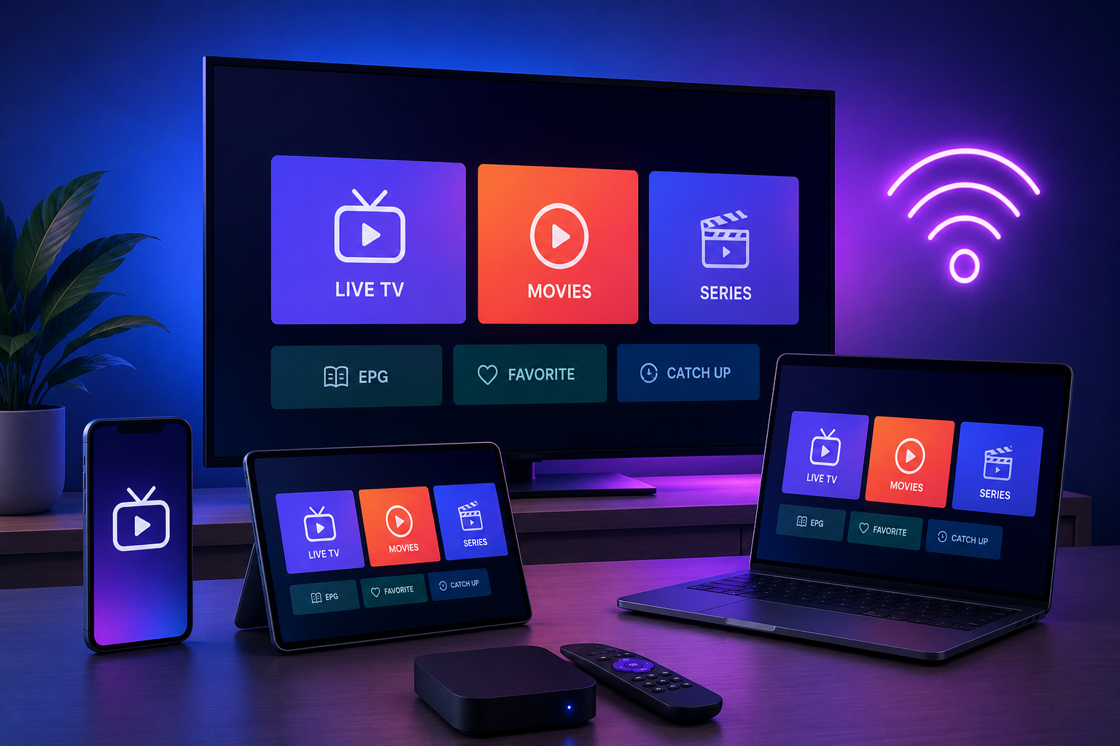
- Install the Player App: Download TiviMate (Android TV), IPTV Smarters Pro, or GSE Smart IPTV. Enter the credentials or playlist URL provided during setup.
- Configure the EPG: Electronic Program Guide data shows what is playing. Most providers supply an EPG URL in your account dashboard. Loading it takes 30 seconds and transforms the experience.
- Start with Popular Channels: Test the top 10 channels in your preferred category (sports, news, movies). If all load without buffering, your provider is reliable. If not, move to another trial.
Frequently Asked Questions
What is the best ip-tv provider 2026 according to user reviews?
While specific recommendations change monthly, the best ip-tv provider 2026 generally shares key traits: 99.9% uptime, a dedicated app with built-in EPG, support for at least 10,000 channels, and responsive customer support via live chat. Platforms like Reddit and Trustpilot highlight providers with consistently low buffering and fast channel switching as top choices.
How can I tell if an ip-tv provider is legal?
A where to buy iptv legally check starts with verifying that the provider holds proper broadcasting licenses for the content they offer. Legitimate providers often display terms of service, comply with DMCA takedown requests, and operate transparently with registered business information. If the provider avoids questions about content licensing or only operates through encrypted messaging apps, consider it a red flag.
What is a reliable ip-tv provider no buffering for sports events?
A reliable ip-tv provider no buffering for sports invests in dedicated sports CDNs and offers multiple stream links for major events like the Champions League final or Super Bowl. Look for providers that include at least 5,000+ sports channels and offer a dedicated sports server option. Testing during a major live match is the best way to verify performance.
What is the cheapest ip-tv subscription that still offers quality?
The cheapest ip-tv subscription with decent quality typically starts around $10–$12 per month for a single connection. For $15–$20, you generally get two to three simultaneous connections, an EPG, and VOD access. Plans under $10 often lack reliable CDN infrastructure, leading to frequent buffering during peak times.
Where can I find honest ip-tv provider reviews reddit threads?
ip-tv provider reviews reddit communities like r/IPTVReviews and r/IPTVResellers provide unfiltered user experiences. Look for threads where users post speed test results alongside their reviews, and be wary of accounts with single posts. The most helpful reviews include specific information about channel stability, customer support response times, and billing reliability.
How do I choose the best ip-tv provider for sports streaming?
To choose an ip-tv provider for sports, prioritize providers that offer dedicated sports bundles with channels like ESPN+, beIN Sports, Sky Sports, and local sports networks. Confirm they provide 50 or 60 fps streams for smooth motion, and ask about their backup servers during major tournaments. A 48-hour trial is standard for sports-focused packages.