By James K. · Updated 2026-08-14 · 12 min read
The search for a reliable iptv box usually starts with good intentions: cut the cable bill, watch live sports from anywhere, and finally get rid of that laggy smart TV interface. But the deeper you dig into forums and Facebook comments, the more you run into contradictory advice. Myth after myth piles up until buying a simple streaming device feels like navigating a legal minefield.
Let's clear the air immediately. An IPTV box is just a piece of hardware that receives and decodes streaming signals. It doesn't dictate whether you're watching legal content any more than your laptop does. The confusion comes from the ecosystem surrounding it, services, subscriptions, and conflicting brand loyalties. Below, we expose the five most damaging myths hurting your streaming setup and replace them with the documented reality.
Why Misconceptions Damage Your Results
When you believe that "all IPTV boxes are illegal" or "you need a sophisticated contract," you make fear-based decisions. You either overpay for a locked-down device, or you skip the best iptv box for live sports because you read a blog post written by someone who confused piracy with hardware. Misconceptions cost you money and hold back your entertainment setup by months. Worse, they push you toward unreliable sellers who profit from your ignorance.
Myth 1: "An IPTV Box Is Illegal or Only for Pirates"
Documented reality: The box itself is 100% legal, just like a web browser. You can buy it at major retail stores, and it runs standard Android TV or other open operating systems. The legality applies to the content sources you access. Many IPTV boxes come with legal free apps like Pluto TV, Tubi, or direct streaming apps from international broadcasters.
The reason this myth persists is that unhealthy gray-market IPTV services often use the same generic boxes. If you're asking where to buy an iptv box safely, it's simple: buy from a recognized electronics retailer and check what apps are pre-installed. A device that guides you to a single unnamed subscription service is a red flag. A device that lets you use standard apps from the Google Play Store is neutral and legal.
Myth 2: "A More Expensive Box Automatically Delivers Better Picture Quality"
Documented reality: Your picture quality is determined by the bandwidth of your internet connection and the bitrate of the source stream, not the price tag of the hardware. The IPTV server transmits a 4K HEVC file; the box simply decodes it. A $40 box with modern codec support and a Gigabit Ethernet port can outperform a $150 box that lacks those basics.
This is critical for anyone reading a 4k iptv box review. You must look under the hood at the wireless standard (WiFi 5 vs WiFi 6), the storage type, and the codecs supported. A cheap iptv box with wifi can absolutely stream 4K content flawlessly if the network is stable. Instead of asking "how much should I spend?" ask "does this device support H.265/HEVC and 5GHz WiFi?"
Myth 3: "IPTV Box vs Firestick: Amazon Is Always the Best Option"
Documented reality: The Amazon Firestick is a brilliant general-purpose media player, but it is not the ultimate IPTV device. When you compare iptv box vs firestick, look at physical hardware constraints. Modern 4K Firesticks often lack a built-in Ethernet port, forcing you to rely on WiFi unless you buy a proprietary USB adapter that caps at 100Mbps.
A dedicated IPTV box typically includes full Gigabit Ethernet, better heat dissipation for long 24/7 streaming sessions, and more reliable Bluetooth drivers. This matters for live sports buffering reduction. When reliability is the goal, a specialized player with a proper cooling system and wired connectivity is objectively superior. The myth of Firestick superiority only holds true if you spend your time on Netflix and YouTube rather than raw IPTV streams.
Myth 4: "You Must Sign a 12-Month Contract to Get Decent Content"
Documented reality: The market has shifted dramatically toward rolling monthly subscriptions and prepaid options. Quality providers understand that locking someone into a long-term contract increases their burden to maintain server quality. If you search for an iptv box subscription no contract, you'll find reputable services offering week-long or month-long passes.
No-contract plans also act as a confidence indicator. If the service is unstable, they know you will simply churn at the end of the month. This aligns the incentives: the provider keeps your business by delivering top-notch uptime, not by legally trapping you. Always test a no-contract plan first, whatever the hardware.
Myth 5: "Setting Up an IPTV Box Requires a Tech Expert"
Documented reality: The golden age of complicated APK sideloading is over. Most modern IPTV boxes launch straight into Google TV or a familiar Android launcher. If you know how to set up iptv box basics, you'll be streaming within minutes. Here is the practical 5-step process that most users follow:
- Physical setup: Connect the box to your TV's HDMI port and plug it into a power socket.
- Network connection: Attach an Ethernet cable for the most stable performance or connect to a 5GHz WiFi network.
- Install the app: Download a compatible IPTV player from the Play Store (like TiviMate or IPTV Smarters).
- Login: Enter your provider's server URL along with your username and password.
- Customize: Adjust the EPG channel guide and your favorites list, then start watching.
The complexity of setup is a relic of the past. If you fall for this myth, you'll either overpay for a professional installer or avoid buying an IPTV box altogether, missing out on a legitimate and flexible TV experience.
What Actually Works Based on Evidence
When you strip away the anecdotes and marketing, the evidence points to a few key fundamentals. First, a wired internet connection is the single most impactful upgrade you can make to your IPTV box setup. WiFi is convenient, but the latency and packet loss will always be slightly higher than a direct Ethernet connection. For live sports, that translates to fewer annoying pauses.
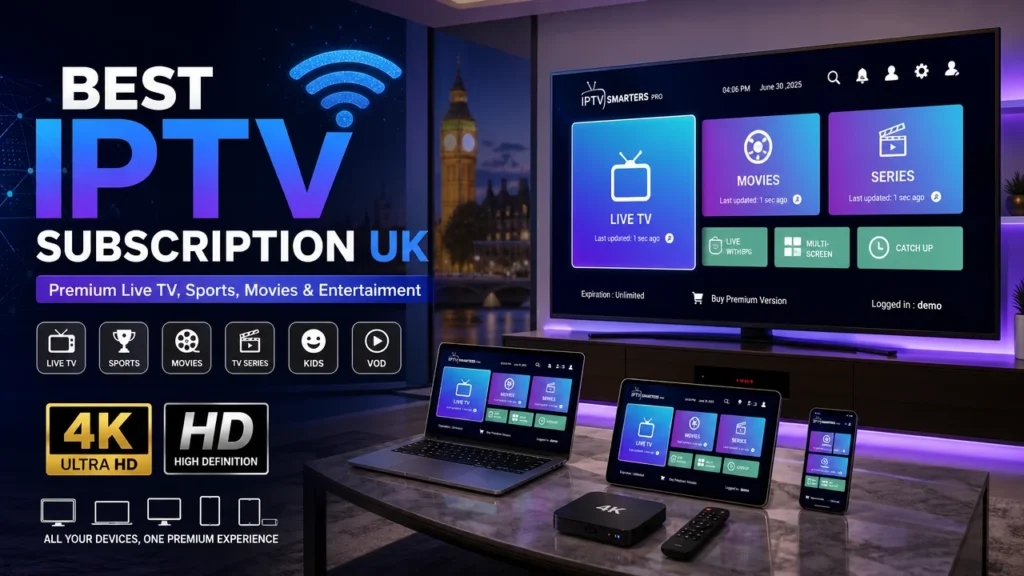
Second, choose hardware based on the specific apps you want to run. If you're going to use a resource-heavy service like Kodi with multiple add-ons, invest in at least 2GB of RAM. If you just want a straightforward live TV app, any modern dual-core processor suffices. Third, monitor your provider's uptime and server load—most quality services publish regional status pages or have a live chat support team. The setup below illustrates the clean separation between your local network, the box, and the display.
Popular Belief vs. Documented Reality
To drive this home, we've condensed the five myths and their counterpoints into a direct comparison table. Use this as a quick reference whenever you're about to make a purchase decision.
Unlock complete high-definition information instantly here. (Updated regional server maps and infrastructure reviews are live).
Explore iptv box Plans →✓ Dedicated IPTV Box Benefits
True Gigabit Ethernet capability ensures stable 4K live sports channels.
Better internal cooling prevents thermal throttling during long streams.
Supports a wider variety of audio and video codecs, including AC3 and DTS.
Standard USB and microSD slots for expandable storage.
✗ Firestick Limitations for IPTV
WiFi-only connectivity (adapter caps at 100Mbps, making "iptv box vs firestick" a real question).
Plastic body can trap heat, causing intermittent pauses in performance.
Less transparent background process management for high-bitrate streams.
Deeper integration with Amazon ads can clutter the interface.
RECOMMENDED RESOURCE
iptv box
Review up-to-date regional server maps and infrastructure.
View the iptv box Platform →How to Set Up IPTV Multiple TVs Correctly
If you want to use an iptv box for multiple tvs, the correct approach is to buy one box per television. Do not attempt to split an HDMI signal across several displays simultaneously—every TV will be locked to the same channel. Instead, look for a subscription provider that allows multiple simultaneous connections under one account.
Each physical box needs network access. You can either run an Ethernet cable to each IPTV box or use a quality WiFi mesh system. The key is to ensure that your internet plan has enough upload/download capacity to support multiple concurrent streams. A family streaming on three TVs will comfortably use 75-100 Mbps just for IPTV, so keep that in mind before subscribing.
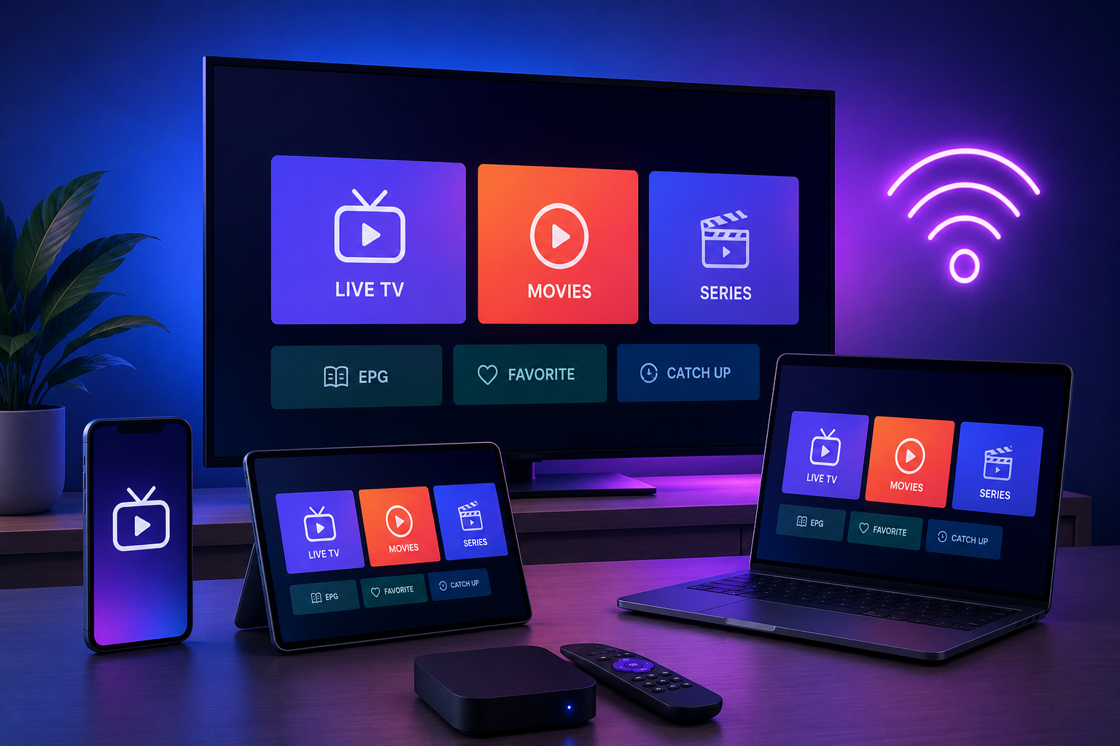
Before buying, always check whether the subscription supports the "Multiroom" feature. This is common in Europe and Asia but sometimes missing from cheaper US-based providers. The beauty of the iptv box subscription no contract model is that you can test multi-screen functionality without locking yourself into a lengthy term.
The Bottom Line: What You Should Believe
Believe that an IPTV box is a legitimate, powerful piece of technology that dramatically broadens your streaming options. Believe that you do not need to spend hundreds of dollars or commit to a lengthy contract to access premium channels. And absolutely believe that where to buy an iptv box matters—stick to trusted vendors that offer open standards like Android TV.
Once you stop being paralyzed by these myths, you can finally evaluate devices through a clear lens. Check the processor, the network port, and the codec support. Then pick a reputable IPTV service that aligns with your viewing habits. The best iptv box for live sports is not a mythical creature; it's simply a device with solid hardware and a reliable internet connection feeding it.
Featured Streaming Selection:
Check Out iptv box Deals →Affiliate Disclosure: Clicking this secure link verified by our network supports our team through standard partnership terms at zero extra cost to your invoice.
Frequently Asked Questions
This article contains affiliate links. Our editorial analysis remains independent.