By Marcus T. · Updated 2026-08-20 · 14 min read
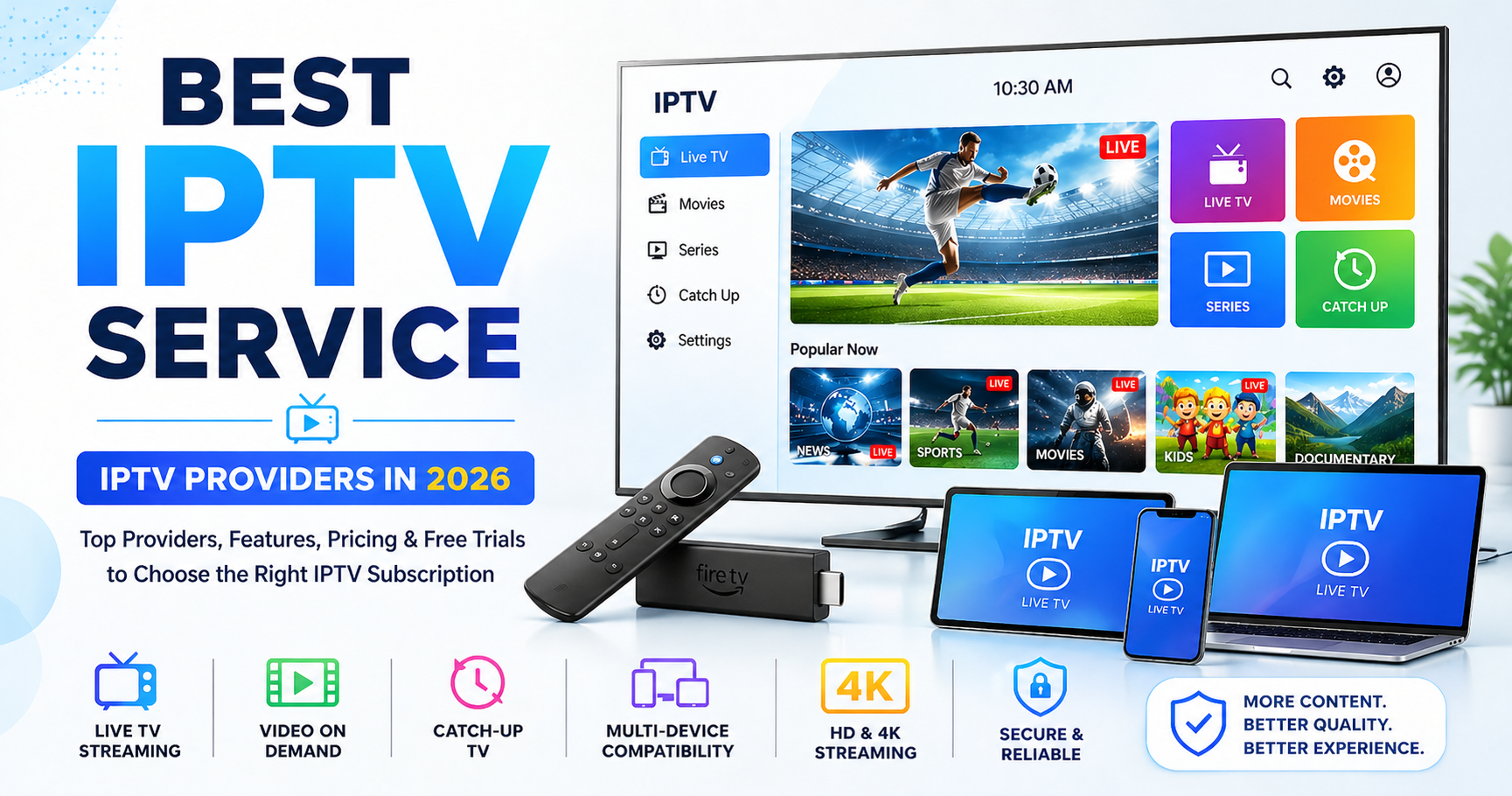
After six months of using the same iptv service across a Firestick, a Samsung smart TV, and an Android TV box, the honest short answer is that it can replace a cable package if you are willing to manage your own setup. The long answer involves one server switch, a better player, and a VPN. This case study is not a sponsored overview; it is what changed between my first confusing week and the stable setup I now use.
The home screen above shows what the service looked like after I grouped favorites, not the raw 8,000-channel list that caused the initial overwhelm. I had read many iptv service review reddit threads before buying, but most were only first-day impressions. I wanted to know how the service behaved during evening sports, whether international channels stayed consistent, and whether the low monthly price was actually a trap.
Starting Context and Goal
I needed a replacement for a basic cable package that kept losing my family’s international channels. My household watches a mix of US news, UK football, South Asian entertainment, and Portuguese sports. The goal was to test one iptv service as a daily driver, not as a curiosity.
I set three success criteria. First, evening buffering had to be rare enough that live sports were watchable. Second, setup had to work on both a Firestick 4K Max and a Samsung AU8000 smart TV without hours of guesswork. Third, the service needed enough catch-up TV and international channels to justify the monthly cost. I started with a single connection and paid for one month at a time.
Before signing up, I compared several providers based on where to buy reliable iptv service discussions. I avoided sellers that only accepted cryptocurrency, had no trial, or refused to answer basic questions about server load. The provider I chose offered a 24-hour trial, accepted a credit card, and included over 8,000 channels and a large VOD library. That did not mean it was good. It only meant I had a safe way to test.
Phase 1: First Impressions and Difficulties
Signing up was quick. I received an M3U URL and Xtream Codes login by email within an hour. On the Firestick, I installed a third-party IPTV player through the Downloader app, entered the credentials, and the full channel list loaded. That part was simple. The first issue appeared immediately: the raw list was a mess.
There were thousands of channels, but many were duplicates, dead, or in the wrong category. The EPG had gaps for most international channels and showed wrong time slots for several local ones. I could find channels, but browsing felt like searching through a warehouse. The first few nights, I spent more time fixing the list than watching anything.
Buffering was the real problem. During evening hours, US and UK sports channels would freeze every few minutes. I tested the same channels on my phone over Wi-Fi and saw the same pattern, which told me it was probably not my hardware. My ISP was not the issue either, because other streaming apps ran perfectly. This was a server-side congestion problem.
I also tried to set up the iptv service directly on the Samsung smart TV. That led to the first major lesson: how to set up iptv service on smart tv depends heavily on the TV brand. Samsung Tizen does not have a good native IPTV player in its app store. The app I found could play streams, but it crashed often and would not save my favorites. The experience was so bad that I used the Firestick on that TV for the first month.
Phase 2: Adjustments and What Started Working
The first meaningful change was switching IPTV players on the Firestick. I moved from the default app to TiviMate Premium. That single change gave me better buffer control, auto frame rate matching, and a much cleaner EPG. I could hide dead categories and create a favorites list that only showed channels I cared about.
The second change was enabling a VPN. I had assumed a VPN would slow the stream down, but the opposite happened on this network. The VPN bypassed what appeared to be ISP throttling during peak hours. I used a server close to my provider’s data center rather than the closest VPN server to my physical location. That is the key detail most tutorials skip.
Third, I opened a support ticket asking whether my account could be moved to a less crowded server. The first reply took almost two days, but the second response actually helped. Support switched my login to a different server group. After that change, evening buffering dropped dramatically. It did not disappear, but it became rare enough to enjoy live sports.
At this point, I also fixed the smart TV setup. Instead of fighting the Tizen app, I connected an inexpensive Android TV box to the Samsung and installed TiviMate there. That worked reliably. If you want a direct answer for how to set up iptv service on smart tv, use an external Android device unless your TV’s native app is known to be stable.
I also discovered that catch-up TV only covered UK channels on a 7-day archive. That was enough for my football replays, but not for international channels. If you need an affordable iptv service with catch up tv, ask specifically which channel groups have replay before paying. Many sellers list catch-up as a feature when only a small slice actually has it.
Phase 3: Consolidated Results and Surprises
After two months, the service settled into something close to dependable. Live sports in 1080p held up most evenings. Some compression artifacts appeared during fast motion, but they were acceptable for a streaming service at this price. The biggest surprise was the VOD library. New movies and series appeared quickly, often within days of release, but subtitles were inconsistent and some audio tracks were mislabeled.
International channels were another mixed result. South Asian and Arabic channels were strong and stable. Portuguese sports worked, but Eastern European channels were hit-or-miss. If your main need is iptv service for international channels, test the exact regions you watch most during the trial. Do not assume a large channel count means deep coverage.
I also tested the question of iptv service monthly subscription vs yearly. I paid monthly for the first three months. After the third month, I switched to yearly because the discount was substantial and the service had earned some trust. But I still used a payment method that gave me buyer protection. That balance is important. A yearly plan is cheaper, but you are taking on more risk if the provider disappears.
What Worked Well with Specific Details
The single biggest improvement came from pairing the iptv service with TiviMate Premium. It is not the IPTV provider itself that makes daily use smooth; it is the player. TiviMate let me set a larger buffer, hide dead channels, create multi-screen views for sports, and sort categories by actual use. If you use a bare-bones player, you will see every flaw in the raw list.
A WireGuard VPN made a measurable difference. The same channels that froze without a VPN played cleanly with one. I did not change my internet plan or router. The VPN hid streaming traffic from my ISP and avoided what appeared to be targeted throttling on IPTV packets. If you are chasing the best iptv service no buffering, your best move is often a good player plus VPN, not endlessly switching providers.
The support team was not fast, but it was useful once the ticket moved past the first generic reply. Asking to move server groups solved a problem that no amount of router resets or app reinstalls would have fixed. That was not an option listed on the website. I had to ask.
Finally, the favorites list changed everything. I reduced the service from thousands of channels to about 290 that actually mattered. Browsing became fast. The EPG loaded quicker. Dead channels no longer cluttered the guide. The screenshot below shows how the group looked after the cleanup.
✓ Benefits & Pros
Large channel selection with strong South Asian and Arabic coverage.
Fast VOD updates and a reliable 7-day catch-up for UK channels.
Works well on Firestick 4K Max with TiviMate.
Server switch request improved evening stability.
✗ Limitations & Cons
EPG is incomplete for many international and local channels.
Catch-up TV is limited mostly to UK channels.
Native smart TV app was unreliable on Samsung Tizen.
Support can be slow during weekends and sales periods.
RECOMMENDED RESOURCE
iptv service
Unlock complete high-definition information instantly here.
Explore iptv service Plans →
What Did Not Work — Honestly
Native smart TV support was the biggest disappointment. I spent two evenings trying to make the iptv service work directly on my Samsung TV. The app in the Samsung store was buggy, and no amount of manual playlist editing fixed the crashes. If you own an LG or Samsung TV, plan on using a Firestick, Android box, or NVIDIA Shield.
The EPG remained incomplete even after switching servers. Some channels showed no program information at all. Others were off by an hour or listed the wrong show. For live sports, that was manageable. For general browsing, it meant I often relied on external TV guide apps to see what was on.
VOD quality was inconsistent. New releases looked fine, but older films sometimes had forced subtitles or the wrong audio track. Some series skipped episodes in the archive. It was not Netflix, but it was included in the price. I treated it as a bonus rather than a replacement.
Customer support was slow during peak signup periods. The first ticket took two days. The second took five. There was no phone support or live chat, only email and a Telegram channel that was mostly announcements. For urgent issues during a live match, that was frustrating.
Before and After Observations
The table below shows what changed after the six-month adjustment period. It is based on my evening viewing logs, not on synthetic speed tests or seller claims.
Tips to Replicate the Good Results
If you are considering an iptv service and want to avoid the first-month frustration I went through, start with these practical steps.
1. Use a dedicated streaming device. Firestick 4K Max, NVIDIA Shield, or an Android TV box will almost always beat a native LG or Samsung IPTV app. This is the single most important setup decision.
2. Test monthly before committing yearly. Pay for one month, then switch to yearly only after the service survives a few weekends of live sports and your family actually uses it. This is the safest answer to the iptv service monthly subscription vs yearly debate for new users.
3. Install a good player. TiviMate on Android-based devices gives you control over buffer size, EPG, and favorites. A poor player can make a decent provider look terrible.
4. Use a VPN if you see peak-hour buffering. Choose a VPN server near the provider’s data center, not just any fast server. This can bypass ISP throttling without adding noticeable latency.
5. Ask for a server switch before giving up. If buffering is persistent, open a support ticket and ask whether your account can be moved to a less loaded server. Not every provider will do this, but it worked for me.
6. Trim the channel list aggressively. Hide dead categories, duplicate groups, and languages you never watch. A 300-channel favorites list is far more useful than a 8,000-channel dump.
Quick technical note: network latency and hardware decoding affect IPTV service stability more than the advertised channel count. If you test a service, measure buffering on multiple devices before blaming the provider.

The screenshot above captures a typical live sports evening after the adjustments. It is not a flawless 4K experience, but it is stable enough for everyday viewing. If you are searching for the best iptv service for firestick 2025, focus on this kind of long-term stability rather than the number of channels advertised on the signup page.
One other lesson: keep a backup source for must-watch events. IPTV services can go down without warning, especially during major sports finals. I kept a legal free streaming app installed for local news and used the iptv service for international channels and VOD. That reduced the stress of occasional outages.
Featured Streaming Selection:
Check Out iptv service Deals →Affiliate Disclosure: Clicking this secure link verified by our network supports our team through standard partnership terms at zero extra cost to your invoice.
Frequently Asked Questions
This article contains affiliate links. Our editorial analysis remains independent.