By Mark T. · Updated 2026-07-05 · 12 min read

Every week, I hear from someone who wants to grow their own food, reduce reliance on grocery stores, and build a more resilient home. The problem is that there are dozens of guides, courses, and books promising to turn your backyard into a self-sufficient oasis — but most are either too vague for beginners or too technical for casual gardeners. The Self Sufficient Backyard stands out as a comprehensive resource, but you need to know if it's the right fit for your specific situation before spending your money.
In this practical comparison, I'll break down how the Self Sufficient Backyard stacks up against other popular approaches, covering cost, depth of information, ease of implementation, and who benefits most from each option. Whether you're a complete beginner looking for a self sufficient backyard for beginners guide or someone who wants a detailed self sufficient backyard pdf to reference, this article will help you decide.
I've spent weeks studying the program, reading genuine user feedback, and comparing it against the most common alternatives. Below you'll find a direct comparison that answers the core question: is this guide worth your time and money?
The Real Choice You're Facing
Most people start their self-sufficiency journey by searching "how to start a self sufficient backyard" and quickly realize there's no single authority. You have a few distinct paths: buy a comprehensive program like the Self Sufficient Backyard, cobble together free YouTube videos and blog posts, or purchase a general gardening book. Each approach has trade-offs in time, money, and effectiveness.
The Self Sufficient Backyard package includes a detailed manual, weekly meal plans, step-by-step construction diagrams, and access to community support. It's designed for someone who wants a structured path from zero to producing a significant portion of their own food. But is the structure worth the price tag compared to free alternatives? Let's look at the criteria that actually matter for making that decision.
Criteria That Actually Matter
Related Reading: Emperor's Vigor Tonic Review: 5 Myths Debunked
Before diving into the comparison table, here are the five factors I consider most important when evaluating any self-sufficiency guide:
Depth of instruction. Does it tell you what to do AND how to do it? Many guides give general principles but skip the critical details — like exact soil amendments for your region or how to build a chicken coop that actually works.
Beginner accessibility. Is the language and approach friendly to someone who has never planted a seed before? Jargon-heavy guides cause frustration.
Cost versus value. How much does it cost, and what do you actually get for that money? Free content exists, but it often lacks the cohesion and completeness of a paid program.
Practicality of plans. Are the projects realistic for an average suburban backyard, or do they require acres of land and thousands in equipment?
Long-term reference usability. Is this something you'll use repeatedly over the years, or does it become outdated quickly?
Detailed Comparison Table
| Criteria | The Self Sufficient Backyard | Free YouTube / Blog Mix | General Gardening Book |
|---|---|---|---|
| Cost | Moderate one-time fee | ✓ Free | Low ($15–$30) |
| Step-by-step detail | ✓ Very high | Variable / inconsistent | Moderate |
| Beginner friendly | ✓ Yes | Depends on creator | Often assumes knowledge |
| Digital / printable | PDF + bonus materials | Streaming only | Physical book |
| Meal plans & recipes | ✓ Included | Rarely | Occasionally |
| Community support | ✓ Yes | Limited to comments | None |
| Long-term reference | Excellent | Poor / disorganized | Good |
As you can see, the Self Sufficient Backyard shines in structured depth and beginner accessibility. But free content has an obvious price advantage. The real question is whether the paid structure delivers a better outcome — and for most people, it does, because you avoid the "information overwhelm" that stops beginners cold.
Option A: The Self Sufficient Backyard Program
Related Reading: How to Get Started With Free Best Buy Gift Card Balance - Step by Step for Beginners
The Self Sufficient Backyard is a digital program created by Ron and Johanna Melchiore, a couple who have lived off-grid for decades. The core product is a 200+ page manual that covers gardening, animal husbandry, food preservation, water collection, and energy systems. What makes it different from a typical book is the inclusion of construction plans (with materials lists), seasonal planting schedules, and weekly meal plans that use only what you've grown.
The program is delivered as a PDF that you can download and use on any device. It also includes bonus resources like a seed starting guide and a food storage calculator. The creators have a focus on practical, low-tech solutions that don't require expensive equipment — a key selling point for those wondering is the self sufficient backyard worth it for a normal household budget.
✓ Pros
Comprehensive, step-by-step guidance from two experienced off-gridders
Includes construction plans with exact measurements and materials
Meal plans help you use what you grow, reducing waste
Printable PDF works offline, no internet required after download
✗ Cons
Requires a one-time purchase, which is more than free alternatives
Some plans assume a moderate amount of space (at least 1/4 acre)
No video content; the entire program is text and diagrams
Option B: Free Online Resources (YouTube + Blogs)
Free content is everywhere. A quick search for self sufficient backyard plans returns thousands of videos and blog posts. Creators like the "Epic Gardening" channel and "Living Traditions Homestead" offer detailed tutorials on everything from raised bed construction to chicken coop design. The advantages are obvious: zero cost and a huge variety of perspectives.
However, there's a hidden cost: your time. Finding reliable, consistent information on a single topic (like building a root cellar) can take hours of searching across different sources. There's no guarantee that the YouTuber's hardiness zone matches yours, and conflicting advice is common. Beginners often hit a wall when they realize they need a best self sufficient backyard guide but don't know which free sources to trust.
✓ Pros
Completely free to access
Video format is helpful for visual learners
Wide range of topics and perspectives
✗ Cons
Information is scattered and inconsistent
No cohesive step-by-step roadmap
Videos can be taken down or become outdated
Quality varies wildly between creators
Resource mentioned in this article
The Self Sufficient Backyard
Full information available here
Explore The Self Sufficient Backyard →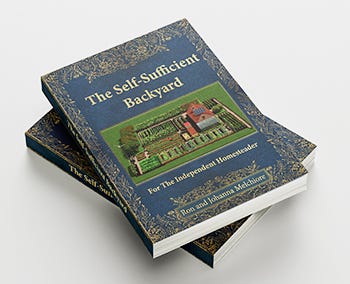
Best Option by Budget
Related Reading: How to Start a Self Sufficient Backyard in Simple Steps
If you have $0 to spend: The free option is your only choice, but be prepared to invest significant time in research. Create a system of bookmarks and notes, and cross-reference information across multiple sources to verify accuracy. Expect to spend 20–40 hours just organizing your learning path.
If you have a small budget ($15–$30): A general gardening book is a decent starting point, but it won't cover the full picture. Pair it with free videos on specific topics (like canning or animal husbandry). You'll fill in gaps as you go, but the process is slower.
If you can invest in a structured program: The Self Sufficient Backyard delivers the best value for money if you're serious about reaching real self-sufficiency. You pay once and get a complete system that saves you dozens of hours of research. Many users report that the meal plans alone saved them more in grocery costs than the program cost within the first season.
Best Option by Experience Level
Complete beginners: The Self Sufficient Backyard is the clear winner here. Its step-by-step structure, clear language, and comprehensive nature prevent the common overwhelm that causes beginners to abandon their projects. The program literally holds your hand from day one to harvest. Many self sufficient backyard book review comments from beginners mention that without this structure, they would have quit after the first failed crop.
Intermediate gardeners: You might benefit more from mixing free resources with a specialized book on your weak areas (like canning or seed saving). You already have foundational knowledge, so you may not need the basic gardening instruction in the Self Sufficient Backyard. However, the construction plans and meal plans could still be valuable.
Advanced homesteaders: The program's structural content is likely too basic for you, but the meal plans and food storage calculators might offer new ideas. Free resources or advanced books on specific topics (like permaculture design or integrated pest management) will serve you better.
Recommendation by User Profile
Busy parent wanting to grow vegetables for the family: Choose the Self Sufficient Backyard. You don't have hours to spend searching YouTube. A single purchase gives you a structured plan that fits into evenings and weekends.
Retiree with time and a large backyard: Free resources may work well, especially if you enjoy the research process. But because of the clarity and efficiency of the Self Sufficient Backyard, many retirees still prefer it to avoid the frustration of contradictory free advice.
Urban dweller with limited space: The Self Sufficient Backyard is still useful, but you should look for the "small space" adaptations within the program. Not all plans work for tiny lots, so check what's available.
Prepper or emergency preparedness focused person: This program is an excellent fit. It covers food production, water filtration, and energy backups — all from a practical, low-tech perspective.
Someone who tried free content and failed: This is one of the most common stories I hear. People say "I found where to buy self sufficient backyard after wasting months on free content that didn't work." If you've already tried and failed, the structured guidance is exactly what you need.

How to Get Started in 5 Steps
If you decide to go with the Self Sufficient Backyard program, here's how to make the most of it:
- Download the entire PDF and save it to your device and a backup drive. Print the key sections you'll reference most often — especially the planting schedules and construction plans.
- Assess your space. Walk your yard with the program's space planning guide. Measure sunny areas, water access points, and existing structures.
- Start with one project. Don't try to build everything at once. The program recommends starting with a small vegetable bed (4x4 feet) and learning basic soil management before expanding.
- Use the meal plans from week one. Even if you're not yet harvesting, the meal plans teach you seasonal eating habits and help you plan what to grow based on what you actually eat.
- Join the community. The program includes access to a support group where you can ask questions and share progress. This accountability is invaluable.
Up-to-date pricing and terms
View the The Self Sufficient Backyard offer →Final Verdict: Is the Self Sufficient Backyard Worth It?
After comparing the Self Sufficient Backyard against free content and general gardening books, the answer depends largely on your personal situation. If you value your time, want a clear path forward, and plan to follow through with concrete results, the program offers exceptional value. The main reason people give in a self sufficient backyard book review for recommending it is that it eliminates the indecision that kills most homesteading projects.
Free content can work, but it often takes two to three times longer to achieve the same results — if you ever get there. Many free sources contradict each other, leaving beginners paralyzed. The Self Sufficient Backyard solves this by giving you one trusted source you can rely on.
If you're still on the fence, ask yourself: have you already spent 10+ hours researching and still not started your first garden? If yes, the program's structure is worth the cost. If you're already a confident gardener with some experience, free resources may serve you well.
My recommendation: if you are serious about creating a genuinely self-sufficient backyard this year, invest in the program. The combination of detailed plans, meal guides, and community support makes it the best option for beginners and intermediate growers alike.
Option featured in this guide:
Learn more about The Self Sufficient BackyardAffiliate link — our editorial analysis remains independent.